R6 Site Setup Guide 2026: Rotations and Reinforcements
Build a defense that survives the first breach with the right wall order, safe rotations, useful sightlines and utility that works as one system.
A strong site protects the plant wall without trapping the defenders.
R6 site setup is the prep work that decides where attackers spend time and utility. Protect the critical breach first, open safe movement between the bomb sites, layer wall denial and information, then add optional angles. The defending team has a shared pool of 10 reinforcements, so every panel should serve the plan instead of sealing every wall near the objective.
Stop losing the round before the first breach.
Compare R6 accounts by rank, platform and inventory, then choose the upgrade that matches your next Ranked goal.
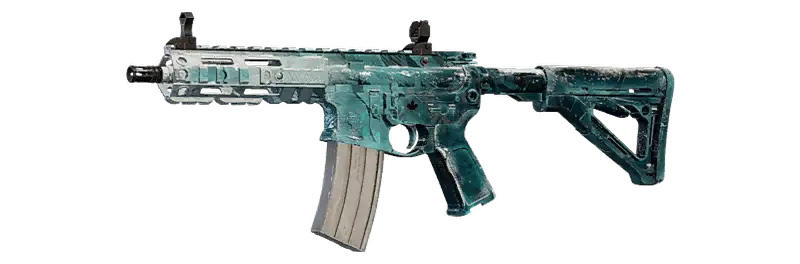 Black Ice
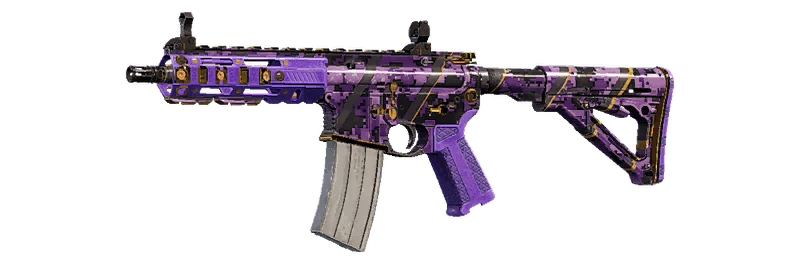 R6 inventory
Build the site in the order that can save the round
Prep time disappears fast when five players improvise. Use one priority order across every map. Critical geometry comes first because a missing reinforcement or rotate cannot be fixed safely once attackers are holding the doorway.
Close the panels that give attackers a safe plant, direct site access or a long uncontested angle.
Create the paths defenders need for trades, support and a late retake before utility fills the room.
Place denial, shields and cover where they support the breach plan instead of random corners.
Finish with cameras, traps, barbed wire, sightlines and barricades that connect to the team plan.
Reinforce the attacker option, not the nearest wall
Ubisoft moved reinforcements into a shared team pool of 10. That gives experienced setup players more control, but it also makes random panels a team-wide cost. Each reinforcement should answer one question: which useful attacker option does this remove?
Protect the site when attackers can open it from outside or strong cover.
The team has a clear crossfire, denial plan or alternate critical wall.
Only when the plan deliberately separates the sites and preserves another route.
Defenders normally need fast movement and shared lines between A and B.
The panel blocks vertical, horizontal or plant pressure against the defender.
The team can use the line without exposing the anchor or rotation.
Every rotation needs a destination and an escape
A rotate is valuable because it shortens a defender route and makes trades possible. It becomes dangerous when attackers can hold it from a safe window, rappel or long hallway. Before opening the wall, stand on both sides and check who gains the cleaner angle.
Connect A and B so anchors can support each other without crossing an exposed doorway.
Give an extension or power position a safe exit before the attacker cuts the original route.
Open head or feet holes only when a defender owns the angle and knows when to leave.
Make every gadget buy time for the next layer
Ubisoft describes defender tools as individual parts that become stronger in combination. A camera should confirm the push, delay should make the attacker commit, denial should protect the execute, and saved utility should still matter at the plant.
Cameras, sound and drone denial reveal where pressure is forming.
Wire, shields, traps and cover force time or utility before site.
Wall denial and area control disrupt the route into the objective.
Saved denial, crossfires and safe rotations decide the final seconds.

Pick the account. Skip the wrong grind.
Go straight to the R6 rank, platform and inventory that fits how you want to queue.
Cover the setup roles before chasing perfect operators
The exact lineup changes with the map and bans. The jobs do not. One operator can cover several jobs, but the team should know who handles each task before the preparation phase begins.
Smoke and Mute can bring setup tools and late utility. Kaid or Bandit can protect critical walls. Castle can redirect paths. Azami can reshape cover. Mira can redefine a site when the window placement and bans support it. Pick the tool for the plan rather than copying a lineup without understanding its jobs.
Three site setup templates that survive solo queue
Map-specific setups win more rounds, but these three structures give a stack or solo player a reliable starting point while learning a site.
Reinforce and deny the main plant wall, keep A to B open, place one anchor power position and hold plant denial.
Use one nearby room to waste clear time, create a fallback to site and protect the retreat with information or delay.
Preserve movement around both bombs, create safe crossfires and avoid utility that blocks the defender’s own return path.
Four mistakes that hand attackers the site
Anchors lose trade routes and must cross predictable doorways.
The attacker receives free information or a safer line onto site.
One clear removes the whole defense while another route stays open.
The team reaches the final execute with no answer for the default plant.
Ask these questions before the action phase
You do not need a professional setup in every Ranked lobby. You need a playable site with a clear first response and a route when that response fails.
R6 site setup questions
What is site setup in Rainbow Six Siege?
Site setup is the defender preparation work that shapes a bomb site before attackers execute. It includes reinforcements, rotations, sightlines, shields, traps, cameras, wall denial and fallback routes.
What order should defenders set up an R6 site?
Start with critical external and plant walls, create essential rotations and fallback paths, place wall denial, build playable power positions, layer intel and delay utility, then finish optional sightlines and barricades.
How many reinforcements does a defending team have in R6?
Rainbow Six Siege uses a shared team pool of 10 reinforcements. Any defender can use them, so the team should protect critical walls first instead of reinforcing every wall near the objective.
Should defenders reinforce every wall in R6?
No. Walls between bomb sites or beside a safe fallback route often need to stay soft for rotations, crossfires or impact plays. Reinforce a wall only when it removes a valuable attacker option or protects a key defender position.
What is a rotation in Rainbow Six Siege?
A rotation is an opening that lets defenders move between bomb sites, extensions or fallback rooms without relying on an exposed doorway. A good rotation supports trades and retakes without giving attackers a free outside angle.
Are head holes or feet holes better in R6?
Neither is always better. Head holes create direct standing gunfights, while feet holes reveal movement and can punish attackers from lower cover. Use either only when a defender knows what path it watches and when to leave it.
Which defender roles are essential for site setup?
A reliable Ranked setup normally needs rotation creation, wall denial when the main breach matters, information, delay or traps, and plant denial. One operator can cover more than one role, but the lineup should cover the jobs before the round begins.
What is the biggest R6 site setup mistake?
The biggest mistake is changing the map without a shared plan. Random reinforcements, holes and barricades can trap anchors, remove crossfires and give attackers safer lines than the original room layout.
More R6 guides for the next defense
Your next defense starts with the right account.
Choose the rank, platform and R6 inventory that fits the way you want to play.