NFA vs Full Access Gaming Accounts
See what you can actually control after delivery before rank, skins or a low price distract you.
Full Access usually gives stronger long-term control than NFA.
NFA means Non-Full Access. You may be able to log in and play, but email, recovery or account-management control can stay limited. Full Access should provide clearer control after delivery, but neither label overrides publisher rules or guarantees permanent access.
Choose access that is clearly listed.
Compare access type, region, rank and inventory before checkout.
 VISIBLE INVENTORY
What NFA and Full Access actually mean
Access labels describe the control supplied with a gaming account. They do not describe the rank, inventory or value of the account, and they are not standardized by every publisher or seller.
Non-Full Access
Login can work while email, recovery or important management options remain restricted.
Stronger control
The handover should include the controls needed to update key credentials.
Labels need details
Always check exactly which login, email and recovery steps are included.
NFA vs Full Access comparison
Full Access is usually the stronger choice for a long-term or high-value account. NFA can be cheaper, but a lower price is not the same as stronger control.
What Full Access should include
A clear Full Access listing should tell you which credentials are supplied and which controls can be updated. The exact process differs by game and publisher.
The game or publisher login is supplied and works for the listed region.
The included email access and any change process are explained clearly.
Password, email, two-factor and linked login controls are identified.
Any known recovery route, cooldown or support limitation is disclosed.
What NFA can limit
NFA does not automatically mean the supplied login will fail. It means your control can stop before the full account-management chain. That difference matters more as the account value increases.
You may receive
- A working game or launcher login
- Access to the listed rank and inventory
- Instructions for normal sign-in
You may not control
- The original or current email inbox
- Every password or recovery route
- Linked identities or publisher support history
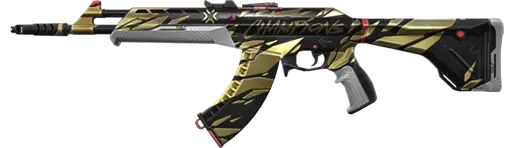

See the full setup before you commit.
Access, region, rank and inventory stay visible in one clean view.
Where email-changeable and login-only accounts fit
Email-changeable can be stronger than a login-only offer, but it is not automatically identical to Full Access. Changing the visible email does not prove that every old recovery route, linked identity or support record has disappeared.
Lowest control
You receive the sign-in but may not control email or recovery settings.
One useful control
You can update an email, but other recovery routes still need checking.
Broader handover
Key login, email and recovery controls should be part of the transfer.
Publisher rules and practical account risk
Access type describes the controls supplied by a seller. It does not override the publisher’s terms. Major publishers commonly restrict sharing, selling, giving away or transferring accounts and credentials.
Riot’s current terms prohibit sharing, selling and transferring account credentials. Epic’s current terms say users may not share credentials and cannot sell, give away or trade an Epic Games Account. Publisher enforcement can include suspension or termination.
What access labels tell you
- Which credentials are included
- Which settings can be changed
- How dependent the handover remains
What they cannot promise
- Publisher approval of a transfer
- Permanent access without enforcement risk
- Removal of every historical recovery route
Gaming account access checklist
Use this order before you compare cosmetics or price. It keeps the decision focused on the controls that can matter later.
Read the access label
Confirm whether the offer is NFA, email-changeable or Full Access.
Check every credential
List the login, email, password, 2FA and linked accounts included.
Review recovery
Ask which recovery paths, cooldowns or support limits still exist.
Match value to control
Demand clearer control when rank, skins or total value increases.
Access wording that should make you slow down
Vague claims
- Full Access without a list of included controls
- Email access available later with no process
- Recovery is impossible with no explanation
Hidden dependency
- A seller must approve every future change
- Important messages go to an outside inbox
- Linked logins or original details are not disclosed
Match value with stronger control.
Compare access type, inventory and region before you decide.

NFA vs Full Access gaming account FAQ
What does NFA mean in gaming accounts?
NFA means Non-Full Access. The supplied login may let you use the account, but email access, recovery options or important account-management controls can remain limited.
What does Full Access mean for a gaming account?
Full Access should mean that the buyer receives the login and the controls needed to update important credentials after delivery. The exact controls differ by publisher, so the listing still needs to state what is included.
Is Full Access better than NFA?
Full Access usually offers stronger long-term control than NFA because fewer recovery and account-management steps remain outside the buyer’s control. It does not remove publisher restrictions or guarantee permanent access.
Are NFA gaming accounts always bad?
No, but the limitations must be clear. NFA can be a poor fit for a valuable long-term account because email or recovery control may remain with another party.
Is email-changeable the same as Full Access?
Not automatically. The ability to change an email is useful, but it does not by itself prove that every previous recovery path, linked login or support route has been removed.
Does Full Access guarantee permanent ownership?
No. Full Access describes the controls supplied at handover. Publisher terms, enforcement, recovery history and account-specific issues can still affect future access.
What should you check before choosing an access type?
Check the included email access, password and email change options, linked accounts, recovery status, region, original ownership claims, support terms and exactly what happens after delivery.
Do game publishers allow account selling or transferring?
Major publishers commonly restrict sharing, selling or transferring accounts in their terms. Always read the current rules for the specific game before making a decision.
Related gaming account guides
ALVIRAN is an independent store and is not affiliated with Riot Games, Epic Games or Ubisoft. Access labels describe the controls supplied at handover and do not override publisher terms. Publisher rules can change, so use the current official terms as the final source.