VALORANT Spray Patterns: Recoil, Bursts & Control
Learn what part of a spray you can control, when horizontal recoil becomes reactive, and how to choose between a tap, burst or committed spray before the fight gets away from you.
Do not memorize one long spray shape.
Stop, place the crosshair at head height, control the early vertical climb, then reset before horizontal yaw becomes too unreliable for the distance. In the current rifle model, the Vandal has six and the Phantom eight protected bullets before horizontal recoil can switch direction.
Recoil and firing error are different problems
A bullet can miss for more than one reason. Recoil changes where the weapon is trying to climb or move. Firing error creates a possible bullet vector around the aim direction. Add movement and incomplete recovery, and a centered crosshair no longer guarantees a centered impact.
The weapon climbs upward during sustained fire. Counter it with a smooth downward mouse movement instead of one sharp drag.
The spray can move left or right and later switch direction. Riot calls the opening before a possible switch the protected bullet count.
The bullet may travel inside an error cone around the aim direction. Longer sprays and movement make exact impacts less dependable.
Firing again before the weapon completes its recovery adds inaccuracy. Clean rhythm matters more than clicking as fast as possible.
Read the spray as an opening, climb and yaw phase
Splitting a magazine into phases makes recoil practice actionable. Each phase has a different control goal and a different point at which releasing the trigger is smarter than trying to rescue the pattern.
Your crosshair placement and full stop matter most. Make the first bullets do the work before heavy correction is needed.
Pull down progressively as pitch builds. A late correction draws a tall line; an oversized correction drags bullets below the target.
Direction can change after the protected opening. At distance, release and reset; up close, react only if the fight demands commitment.
Tap, burst or spray before the first bullet
Most failed sprays begin as a decision error. The player starts full auto at a distance where the correct plan was two accurate bursts, then tries to fix horizontal recoil after the target has already reset.
Use single shots when the target is small, cover lets you reset and the first-bullet duel matters more than damage volume.
Training baseline: 25 m and beyondSend a short group, release, make a small movement or aim correction and fire again only after recovery.
Training baseline: roughly 10–25 mStay on the trigger when resetting would lose the fight, several enemies share the lane or a close target must be finished immediately.
Training baseline: inside roughly 10 mVandal vs Phantom spray control in 2026
Patch 11.08 made rifle spraying more viable at close and medium range by increasing yaw switch time and extending the protected opening. The key difference for recoil practice is simple: the Phantom receives two more protected bullets before horizontal yaw can switch.
Use a different recoil plan for each weapon family
The correct shooting mode changes with the weapon. A Vandal, Spectre and Odin should not be controlled with the same burst length, even from the same position.
Build the fight around the first bullet and early pull-down. Long sprays are a close-range commitment.
Use its eight protected opening bullets without assuming the entire magazine stays stable.
Use full auto in close fights and the built-in burst when distance rewards a controlled rhythm.
Patch 11.08 gives five protected bullets; start compact, then respect the faster SMG spread at range.
Win with proximity and timing. Trying to rescue a full spray at long range fights the weapon’s purpose.
Use volume, penetration and a prepared lane. Start controlled before transferring into a second target.
Precision weapons punish panic clicking. Let recovery complete instead of treating them like automatic rifles.
Control recoil in six deliberate steps
Good spray control begins before the mouse moves down. The sequence below removes the largest sources of error in the order they appear.
Release the movement key and let the weapon reach its accurate state. A perfect pull-down cannot erase movement error.
Crosshair placement gives the opening bullets a real chance to finish the fight before heavy recoil begins.
Match the vertical climb with progressive correction. Avoid snapping the mouse down after bullets already escaped.
Use impacts and tracers in practice to learn whether your correction is late, early or too aggressive.
End the burst while the group is still useful. Do not wait for an obviously lost horizontal pattern.
Reacquire and fire again only when the weapon has recovered enough for the next group to begin accurately.
Transfer early; reset late
A spray transfer is not automatically better than two separate bursts. The correct choice depends on which phase of recoil you are in when the first target falls.
If the first target falls inside the controlled opening and the second target is close, keep the downward correction, move the aim across and finish the group. Practice the vertical and horizontal motion as one curve.
If yaw has already switched or the second target is far from the first, dragging the remaining magazine usually compounds error. Break contact with the trigger, move if cover allows and restart an accurate burst.
A 10-minute recoil routine with visible pass conditions
This routine is intentionally narrow. It trains recoil and recovery, not flicks, tracking or a full warm-up. Use a blank wall first because it shows the result without a bot disappearing.
Fire one magazine without correction, then mark where the climb and side movement begin.
Pull down and keep six impacts inside one compact body-width column.
Use the longer protected opening without speeding up the mouse correction.
Fire three- to five-bullet groups at 10, 20 and 30 meters. Wait for a clean reset.
Transfer early between close marks; deliberately reset when moving to the far mark.
Six recoil mistakes that waste accurate first bullets
Movement error starts the group wide, so every later correction is built on a poor opening.
The correction begins after the vertical line has already climbed over the target.
Later horizontal yaw can switch direction. Train reaction and reset judgment, not one decorative wall shape.
The next burst inherits inaccuracy because the trigger rhythm is faster than the weapon’s recovery.
You become stationary and easy to trade even when a short burst and movement reset would be safer.
A tight close wall group can hide poor reset timing that immediately fails in a medium-range duel.
VALORANT spray patterns FAQ
Does VALORANT have fixed spray patterns?
VALORANT sprays have a learnable opening phase, including vertical climb, but the full path is not a single fixed shape to memorize. After a weapon’s protected bullets, horizontal yaw can switch left or right, so long sprays require reaction and become less reliable with distance.
How do you control recoil in VALORANT?
Stop moving, begin at head height, pull the mouse down smoothly as vertical recoil rises, and release the trigger before horizontal recoil becomes too difficult for the distance. Let the weapon recover, reacquire the target and fire the next burst.
How many protected spray bullets does the Vandal have?
Patch 11.08 increased the Vandal’s protected bullet count to six on both PC and console. This means horizontal yaw cannot switch during those protected bullets; it does not mean all six bullets have perfect accuracy or no vertical recoil.
How many protected spray bullets does the Phantom have?
Patch 11.08 increased the Phantom’s protected bullet count to eight on both PC and console. The longer protected opening helps its close- and mid-range spray, but spread, vertical recoil and movement error still matter.
Should you tap, burst or spray in VALORANT?
Tap at long range, burst for most medium-range rifle fights and spray when the opponent is close, several targets are committed to the same lane or resetting would lose the fight. Distance, cover and the weapon should decide the mode.
Does crouching reduce recoil in VALORANT?
Crouching can make a committed stationary spray easier to control on relevant weapons, but it also stops your movement and can make you easier to trade. Crouch deliberately after choosing to commit, not automatically on the first bullet.
Why do bullets miss even when the crosshair looks correct?
The crosshair shows aim direction, while firing error creates a possible bullet cone around it. Movement, repeated shots before full gun recovery and later spray stages increase error, so the bullet does not have to land at the exact center.
How long should you wait for recoil to reset in VALORANT?
There is no universal reset pause for every weapon. Recovery is weapon-specific, and firing again before recovery completes adds inaccuracy. Train the rhythm with firing-error feedback and impact groups instead of counting one fixed delay for the entire arsenal.
Do VALORANT skins change recoil or spray patterns?
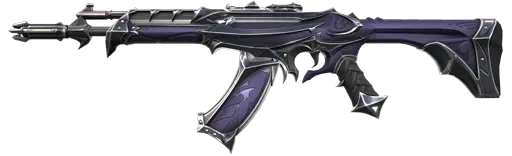
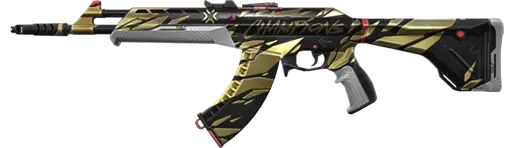
No. Weapon skins change presentation, audio and effects but not the underlying recoil, spread, damage or fire rate. A skin may feel clearer to a player, yet it provides no mechanical recoil advantage.
What is the best VALORANT spray-control drill?
Use a blank wall in the Practice Range. Fire one uncontrolled magazine to see the path, then repeat six- to eight-bullet groups while pulling down. Finish with three- to five-bullet bursts at increasing distance and only fire again after the group has reset.
Use the dedicated guide for the next mechanic
Make the recoil consistent. Pick the inventory that keeps practice enjoyable.
Compare rank, region and listed rifle skins, or request a custom setup around the inventory you want.